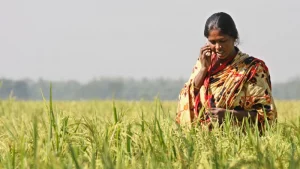
Agriculture remains a cornerstone of Bangladesh’s economy, contributing 11.02% to GDP in FY 2023–24 and employing 44.42% of the total labor force. However, the sector is undergoing a structural transformation. Agricultural employment has declined from 65% in 2000 as the economy continues to diversify, driven by rapid urbanization and industrialization. With the urban population growing at approximately 3% annually, nearly 100 million people are projected to live in cities by 2040. At the same time, climate change, manifested through salinization and increasingly unpredictable weather patterns, is placing additional pressure on farming and food production systems.
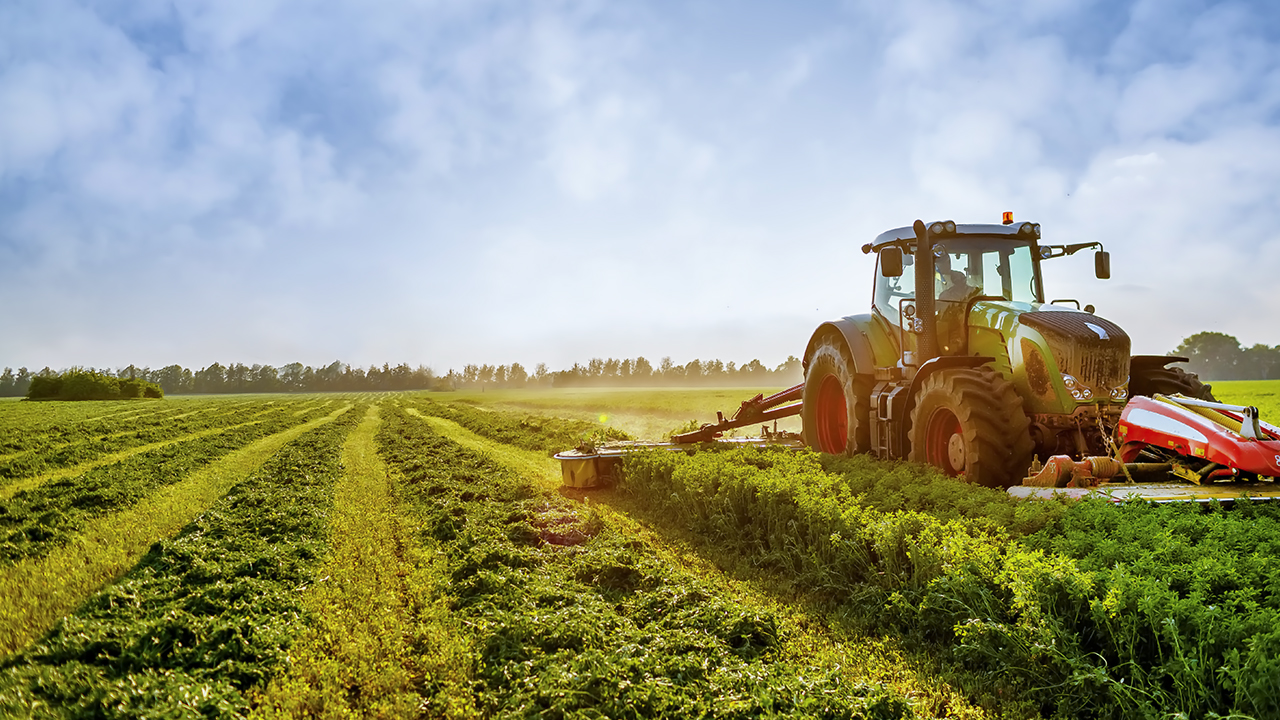
This creates a complex dynamic: shrinking agricultural land alongside rising demand for more and higher-quality food. In response, both public and private stakeholders are prioritizing mechanization, improved farming practices, stronger value chain infrastructure, and increasingly, sustainable aquaculture practices to enhance productivity and resilience.
Against this backdrop, Bangladesh’s current production landscape remains robust and diversified. In FY 2023–24, the country produced approximately 46.74 million metric tons (MT) of cereals, accounting for a notable share of global cereal production, with rice dominating the sector at 41.87 million MT.
Overall, Bangladesh cultivates an estimated 146 crops (6 major and 140 minor), reflecting significant agricultural diversity. In 2024–25, total vegetable production reached 6.28 million MT, comprising 4.45 million MT of winter vegetables and 1.83 million MT of summer vegetables, including key crops such as tomatoes, brinjals, cabbage, cauliflower, and gourds.
Production growth is also evident in other subsectors. Fruit production increased to 7.48 million MT in 2024–25, up from 6.01 million MT in FY 2023–24, indicating expanding horticultural output. Similarly, spices and condiments production reached 4.88 million MT, driven primarily by onion (3.22 million MT), chilies (0.73 million MT), and garlic (0.57 million MT).
In the fibre segment, Bangladesh produced 9.58 million MT bales of jute in FY 2023–24, up from 8.43 million MT in FY 2021–22 and exported approximately 879,000 MT of raw jute and jute goods, reinforcing its position in global natural fibre markets.
The fisheries and aquaculture segment also play a critical role within the broader agriculture sector, contributing significantly to food security, nutrition, and rural livelihoods. Bangladesh is one of the world’s leading producers of inland fish, with aquaculture expanding rapidly through pond-based and commercial farming systems. This growth is supported by increasing domestic demand for protein, alongside improvements in feed, hatchery technologies, and farm management practices.
In the oilseeds segment, Bangladesh continues to rely heavily on imports—primarily from the Americas—to meet edible oil demand. However, domestic production is gradually increasing, with total edible oilseed output reaching 0.87 million MT in 2024–25, led by mustard (0.64 million MT) and soybean (0.11 million MT).
Complementing primary production, the agro-processing segment is expanding its footprint in export markets. Bangladesh exports value-added products such as pickles, chutneys, and fruit juices, with key destinations including the Middle East, the United Kingdom, and Italy, largely catering to the Bangladeshi diaspora.
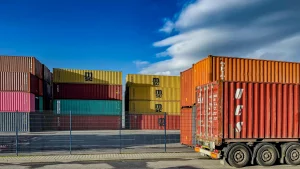
Bangladesh currently exports over 700 agro-products to 140+ countries, and the agricultural sector earned USD 988.62 million in FY 2024-25, a growth of 2.52% year-on-year from USD 964.34 million in FY 2023-24.4 The total value of agro-products and processed food exports reached over USD 1,100 million in 2024, of which processed food alone accounted for USD 342 million in FY 2023-24.5,6
In FY 2023–24, Bangladesh recorded notable exports of both primary and processed agro-products. Jute goods exports reached 0.63 million metric tons (MT), valued at BDT 63.25 billion, while raw jute exports totalled 0.25 million MT, worth BDT 17.92 billion.
Among other agricultural exports, frozen shrimp exports amounted to 28,441 MT with a value of BDT 28.75 billion. In the processed food segment, spices reached 1,205 MT worth BDT 653 million. Horticultural exports also contributed to the sector’s export basket, including fresh vegetables (1,976 MT, BDT 418 million) and tea (1,747 MT, BDT 395 million).
Local agro-processors are increasingly targeting export markets with both fresh horticultural produce, including potatoes, tomatoes, peppers, and chillies, and value-added items such as pickles, chutneys, and fruit juices, serving diaspora-driven demand primarily in the Middle East, the United Kingdom, and Southeast Asia.
According to the USDA’s Exporter Guide Annual (July 2024), Bangladesh’s food processing sector is valued at USD 8 billion and will grow at an average of 8% per year till 20237, with the broader agro-processing sector recording a CAGR of 13% and processed food exports growing at 16.6% per annum.8 The industry is primarily composed of small and medium-sized enterprises (SMEs) closely tied to local manufacturing.
Bangladesh has approximately 1,000 food processing companies engaged in the processing of various products, including baked goods, confectionery items, fruits, vegetables, cereals, dairy products, fruit juices, and various other food and beverage items.9 Major players in the sector include PRAN-RFL Group, Olympic Industries, Fu-Wang Food, Nestlé Bangladesh, ACI Agribusiness, Kazi Farms, Bengal Meat, and Gemini Sea Food.
Most of the larger players are both backward integrated and have footprints in the export market while catering to local demand. Moreover, the Food & Allied sector on the Dhaka Stock Exchange carried a combined market capitalization, reflecting strong investor confidence amid a rapidly expanding domestic market and rising demand for processed food products.10
Challenges:
Opportunities:
Gain perspectives of the emerging sectors of Bangladesh
InsightsContact us for a comprehensive understanding of the investment landscape in Bangladesh