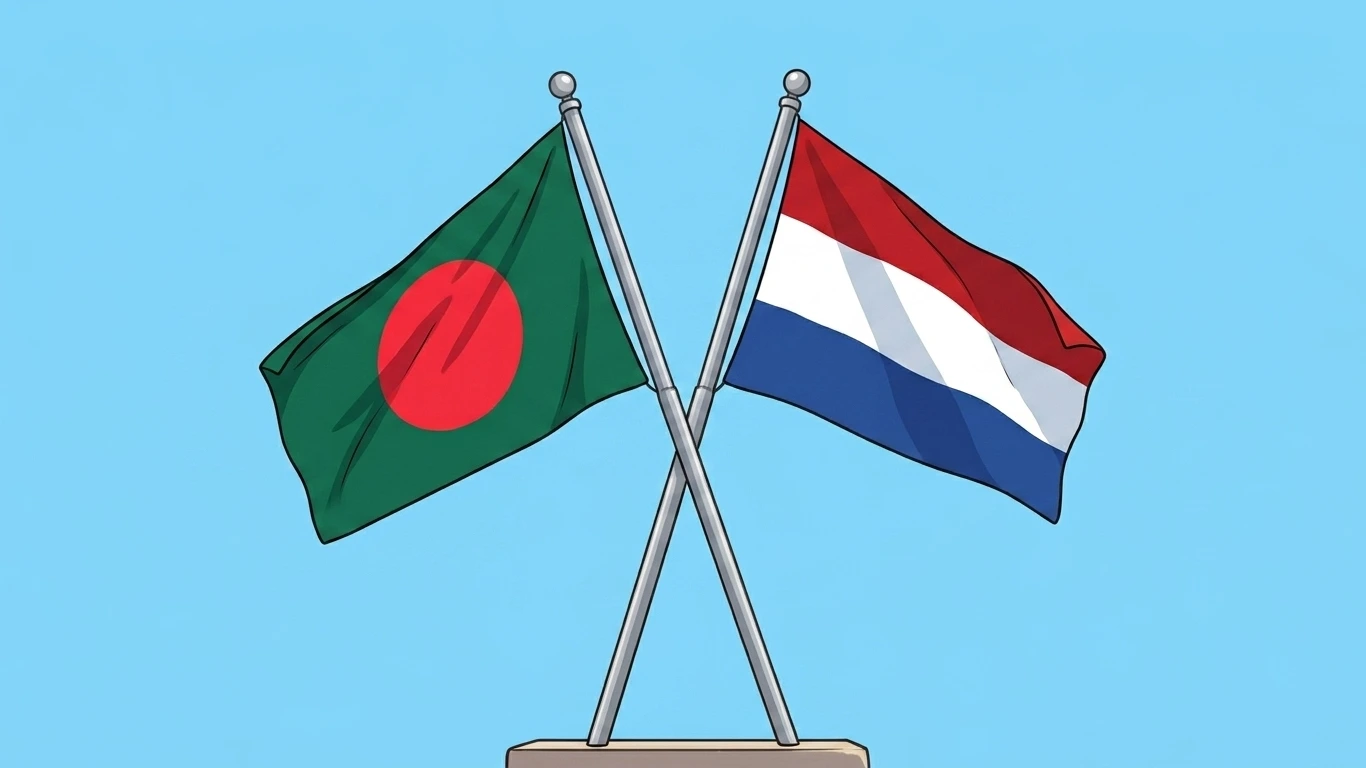
Bangladesh and the Netherlands have signed a memorandum of understanding (MoU) to strengthen cooperation on the circular economy. The partnership will focus on sustainable production, efficient resource use and the green transition in the textile and apparel sector.
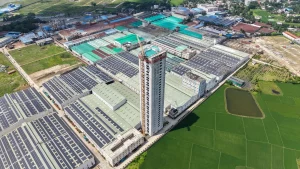
The agreement will expand collaboration across the textile value chain. It will cover resource efficiency, waste reduction, recycling, sustainable production and green industrialisation.
The two countries signed the MoU at a ceremony titled “MoU Signing on Cooperation in the Field of Circular Economy” at the Ministry of Commerce on Monday.
Commerce Minister Khandaker Abdul Muktadir said sustainable production and circular economy practices have become increasingly important for the global textile industry.
Bangladesh’s apparel and textile supply chain remains closely connected to international markets. Therefore, the country needs stronger international cooperation to support a sustainable transition.
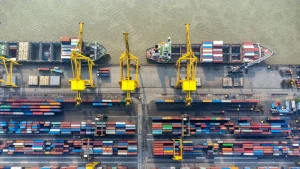
The minister also highlighted the Netherlands as an important development and trade partner. The two countries already cooperate in areas such as water management, agriculture, logistics and sustainable industrial development.
According to the minister, the MoU can help Bangladesh build a greener and more resilient economy. It can also strengthen the competitiveness of the country’s export sector.
Circular economy practices can improve resource use and reduce waste. They can also attract sustainable investment and create green jobs. In addition, these practices can help Bangladesh respond to changing global market requirements.
The agreement comes as Bangladesh prepares to graduate from the least developed country (LDC) category. As a result, the country will need to strengthen industrial sustainability and improve environmental standards.
These efforts can help Bangladesh maintain its competitiveness in global trade. They can also support the textile sector as international buyers place greater emphasis on sustainable production.
However, no single stakeholder can drive the circular economy transition alone. The government, businesses, financial institutions, development partners, research organisations and consumers all have a role to play.
The MoU therefore emphasises multi-stakeholder cooperation and knowledge sharing. These efforts can support the structural changes needed to make Bangladesh’s textile and apparel industry more sustainable.
The Ministry of Commerce signed the MoU with the Netherlands’ Ministry of Economic Affairs and Climate Policy. Khandaker Abdul Muktadir signed on behalf of Bangladesh. Stientje van Veldhoven, the Netherlands’ Minister for Climate and Green Growth, signed on behalf of the Netherlands.
Both ministers joined the signing ceremony virtually.
Stientje van Veldhoven highlighted the growing importance of international cooperation on the circular economy. She noted that no country can complete the transition alone.
Instead, countries need commercial partnerships and coordinated initiatives across global supply chains. She also called for faster action to turn bilateral discussions into concrete measures.
Furthermore, van Veldhoven expressed interest in stronger cooperation at international forums. She said closer collaboration could make the partnership more effective and result-oriented.
Commerce Ministry Secretary Md Ataur Rahman Khan, Bangladesh Ambassador to the Netherlands Faiyaz Murshid Kazi and Dutch Ambassador to Bangladesh Joris van Bommel also attended the ceremony.
The new agreement could create opportunities for Bangladesh to adopt more green technologies and sustainable production practices. It could also encourage innovation across the textile and apparel sector.
In particular, greater cooperation on recycling and resource efficiency can help reduce waste. It can also support more efficient use of materials and energy.
Moreover, green industrialisation can help Bangladesh build a more climate-resilient industrial sector. It can also prepare local industries for evolving environmental standards in international markets.
For Bangladesh, the circular economy transition is therefore more than an environmental priority. It can also strengthen export competitiveness, attract sustainable investment and support long-term industrial growth.
Source: The Financial Express
Contact us for a comprehensive understanding of the investment landscape in Bangladesh