The Asian Development Bank (ADB) will provide transaction advisory services for five additional solar and battery energy storage projects in Bangladesh. The expansion will bring the programme’s combined capacity to more than 1,000 megawatts (MW).
The initiative builds on ADB’s existing support for the 130MW Sonagazi solar project in Feni. Together, the six projects will form a three-phase renewable energy development programme.
ADB aims to mobilise more than $1 billion in private sector investment through the initiative. Additionally, the projects could reduce Bangladesh’s reliance on imported fuels and strengthen long-term energy security.
The bank announced the expanded partnership on 18 November 2026. It will work with Invest Bangladesh and the Bangladesh Power Development Board (BPDB) to advance the projects.
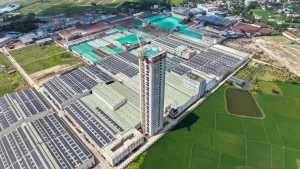
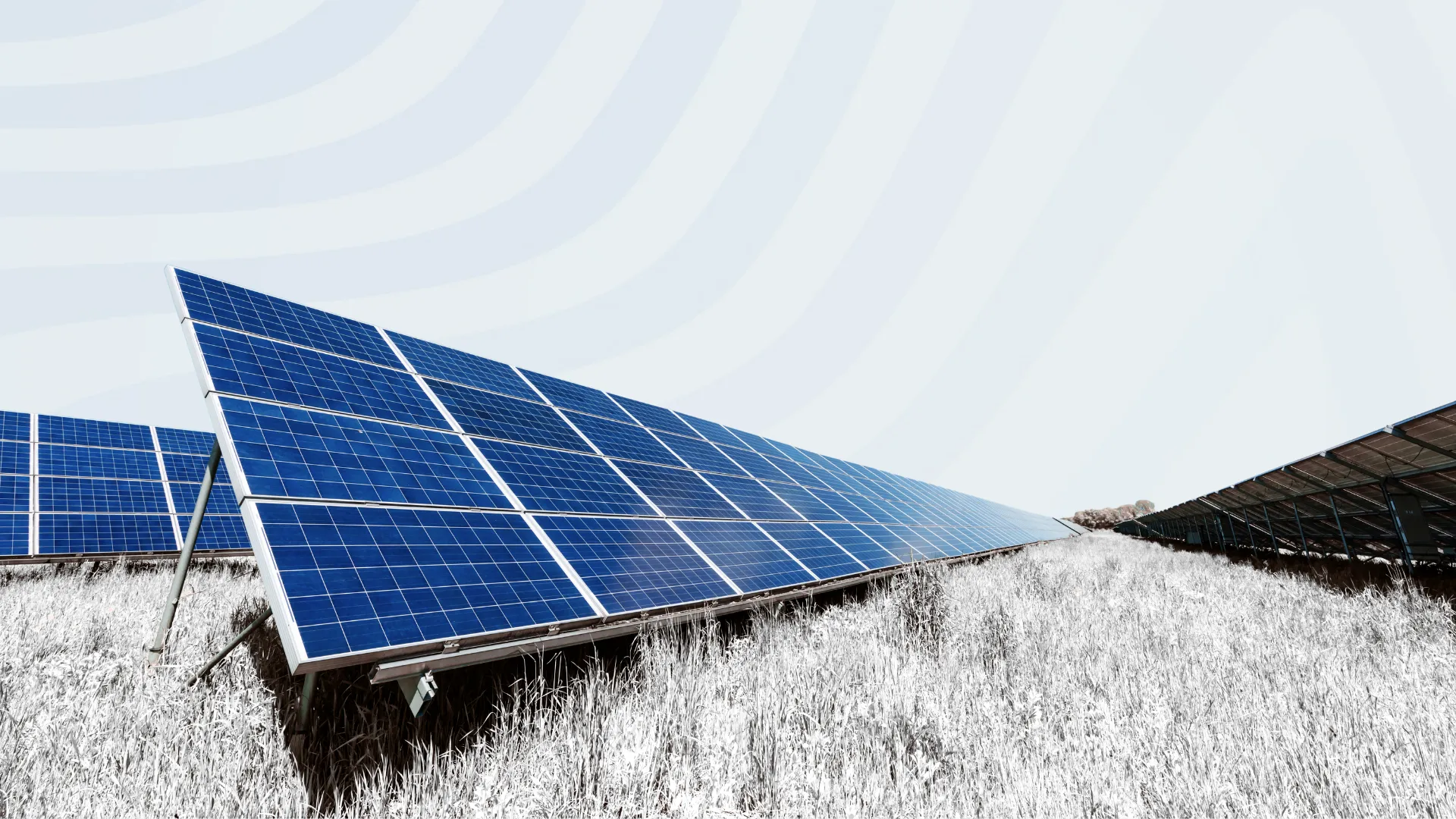
The first phase will focus on the 130MW Sonagazi solar photovoltaic project in Feni District. The project will also include a 26-megawatt-hour battery energy storage system.
ADB expects the tender process for the Sonagazi project to begin within 2026. The project will establish a framework for developing and procuring the remaining five projects.
Meanwhile, phases two and three will cover the additional solar and battery storage projects. ADB will apply lessons from the first phase to support their development.
The expanded programme aims to improve access to reliable renewable electricity. Furthermore, battery storage could help strengthen power supply reliability as Bangladesh increases its renewable energy capacity.
ADB will provide advisory support throughout the project development cycle. Its services will cover project preparation, technical assessments, financial evaluations and investor engagement.
Additionally, the bank will help prepare tender documents and support competitive bidding and project awards. These activities aim to create a transparent and structured process for private investment.
ADB will also work with Invest Bangladesh and BPDB to assess government-owned land for the five additional projects.
The partnership aims to strengthen project preparation and attract private capital into Bangladesh’s renewable energy sector. It could also encourage greater foreign direct investment (FDI) in clean energy infrastructure.
ADB Country Director for Bangladesh Qingfeng Zhang highlighted the importance of building a scalable clean energy investment market. He emphasised stronger project preparation, competitive procurement and a supportive investment environment.
Bangladesh aims to generate at least 20% of its electricity from renewable sources by 2030. The government also targets a 30% renewable energy share by 2040.
The expanded ADB programme could support these targets by accelerating solar power development. Moreover, battery storage integration could improve the reliability of renewable electricity supply.
Invest Bangladesh Chair Ashik Chowdhury highlighted the government’s commitment to increasing private sector participation in renewable energy projects.
He also emphasised the importance of attracting foreign investment, diversifying the energy mix and strengthening energy security.
The partnership seeks to establish a pipeline of investment-ready projects rather than focusing on individual developments. As a result, it could help create a more consistent investment environment for renewable energy developers.
The expanded partnership will bring together ADB, Invest Bangladesh and BPDB to develop the renewable energy projects.
Mostafa Kamal, Member (Additional Secretary) of the Public–Private Partnership Division at Invest Bangladesh, signed the memorandum of understanding. BPDB Secretary Afroza Sultana and ADB Country Director Qingfeng Zhang also signed the agreement.
Through this cooperation, the institutions aim to improve project preparation and strengthen private sector participation in clean energy development.
Overall, the programme could help Bangladesh expand its renewable energy capacity and reduce dependence on imported fuels. However, its success will depend on project preparation, competitive procurement and the mobilisation of private investment.
Source: Asian Development Bank
Contact us for a comprehensive understanding of the investment landscape in Bangladesh