The Maheshkhali Integrated Development Authority (Mida) plans to attract $60–65 billion in investment to develop Maheshkhali and Matarbari by 2056. Its 30-year masterplan aims to transform the region into a major economic and industrial hub.
Mida expects at least $5 billion of the investment to come from foreign direct investment (FDI). The initiative also aims to create 1.5 lakh direct jobs and another 25 lakh indirect jobs.
Once fully implemented, the plan could contribute $150 billion to Bangladesh’s economy. Additionally, it aims to reduce logistics costs by $4 billion and generate $16–18 billion in foreign exchange savings.
Mida presented the projections at a meeting on 4 November. Planning State Minister Zunaid Saki chaired the meeting. The authority developed the masterplan using findings from a survey by McKinsey & Company.
Mida plans to implement the masterplan in three phases. The first phase, from 2026 to 2030, will focus on energy and infrastructure development.
Major projects include the Matarbari deep-sea port, additional power plants and liquefied natural gas (LNG) infrastructure. Mida also plans to introduce new solar power facilities and expand LNG import capacity.
The second phase, from 2030 to 2043, will focus on industrial infrastructure and economic zones. Planned developments include townships, roads, utilities, logistics facilities and port expansion projects.
Finally, the third phase, from 2043 to 2056, aims to establish the region as an industrial, commercial and tourism hub. It will include manufacturing facilities, international tourism infrastructure and business event venues.
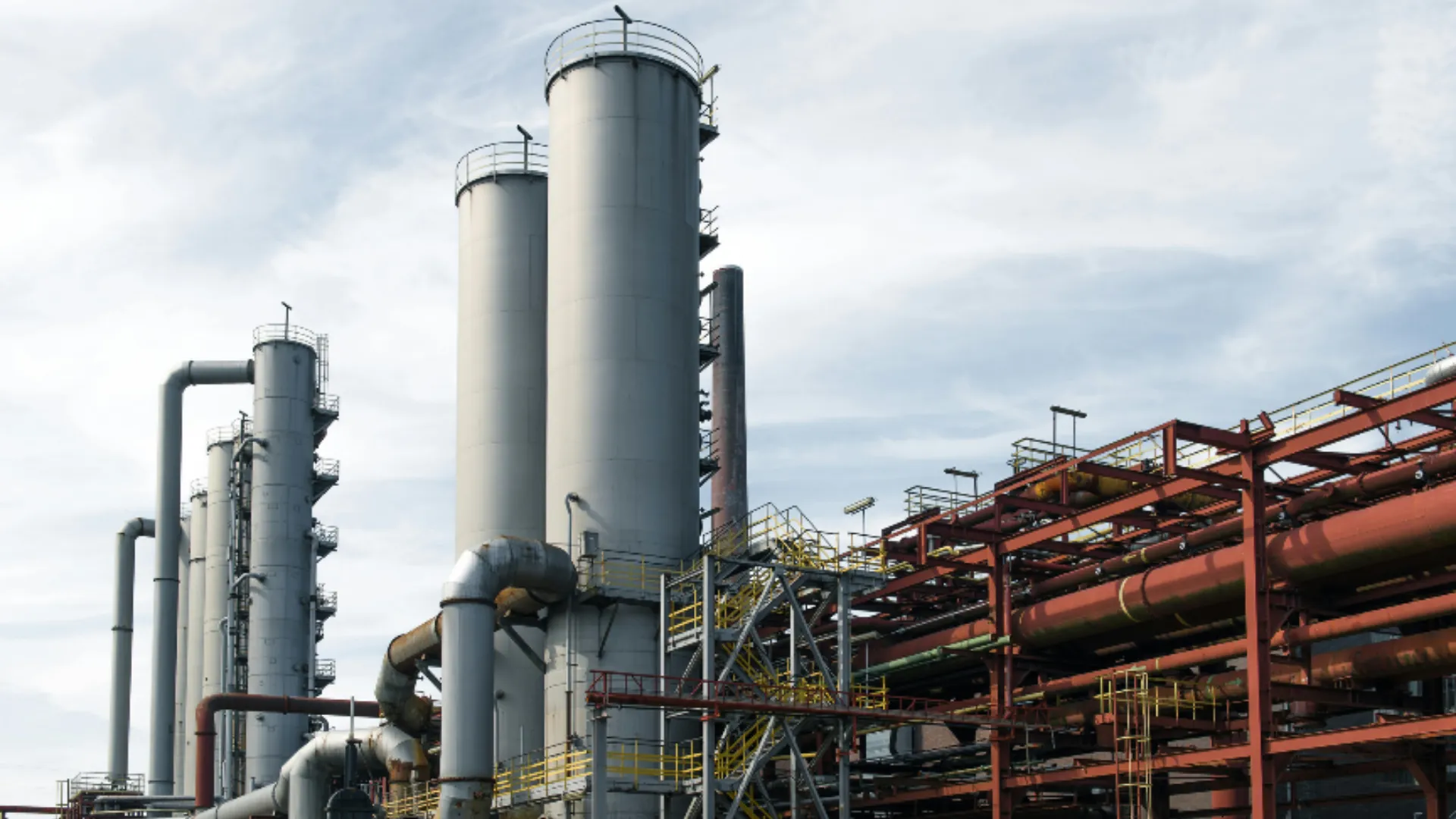
Energy infrastructure will account for a significant share of the proposed investments. Bangladesh Petroleum Corporation plans to develop a $10 billion oil refinery and petrochemical complex.
The facility will cover around 1,200 acres and process up to 200,000 barrels of crude oil daily. Mida targets the project for implementation between 2031 and 2036.
In addition, proposed energy projects include a $2 billion onshore LNG terminal and a $150 million LPG plant. Petrobangla also plans to develop a third floating storage and regasification unit (FSRU).
Meanwhile, the masterplan aims to expand regional power generation capacity to 6,060MW by 2050. It includes additional coal-fired power units and new solar power facilities.
The Single Point Mooring (SPM) system could also improve fuel import efficiency. The system aims to reduce oil unloading time from nine days to three days. As a result, Mida expects the project to save around Tk800 crore annually.
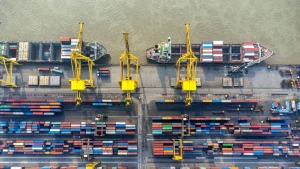
The Matarbari deep-sea port will play a central role in the region’s development. The port will accommodate larger container vessels and improve Bangladesh’s access to international shipping routes.
The port will handle vessels with drafts of up to 14.5 metres and capacities of 8,000 TEUs. Furthermore, a 27km access road will connect the port to the national highway network.
These developments could improve cargo handling efficiency and reduce transportation costs. Consequently, the port could strengthen Bangladesh’s position in regional and international trade.
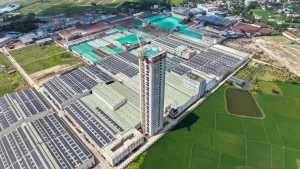
Mida is also developing the Dhalghata economic zone across 1,240 acres. The authority has already allocated around 570 acres to three companies. It aims to complete the economic zone by 2030.
Separately, Mida plans to establish an international-standard dry dock in Maheshkhali. The facility could attract around $1.5 billion in foreign investment and support ship repair and maintenance services.
Moreover, the dry dock could reduce Bangladesh’s dependence on foreign ship repair facilities. It could also create opportunities for local maritime businesses and supporting industries.
Despite its potential, the masterplan faces several challenges. These include land acquisition, infrastructure financing, LNG transportation facilities and regular dredging of the port’s access channel.
Therefore, successful implementation will require strong coordination among government agencies, investors and other stakeholders. Securing investment and completing infrastructure projects on schedule will also remain important.
Overall, the proposed investments could strengthen Bangladesh’s energy security, industrial capacity and international trade connectivity. The masterplan could also support long-term economic growth and employment across the Maheshkhali-Matarbari region.
Source: The Business Standard
Contact us for a comprehensive understanding of the investment landscape in Bangladesh